Amazon
Main product images, pure white backgrounds, product framing, zoom requirements, and secondary listing images.
 AICaptureLab
Free download · Ecommerce Marketplace Photography Guide
Know exactly what your product images need for Amazon, Etsy, eBay, Shopify, Walmart, Alibaba, and more.
Image sizes, formats, backgrounds, main-image rules, and photography best practices — so your listings go live with fewer surprises.
Free guide. Practical marketplace specifications. No guesswork.
AI Capture Lab
Free downloadEcommerce Marketplace Photography Guide
Amazon · Etsy · eBay · Shopify · Walmart · Alibaba
Image specifications, listing requirements, and product photography best practices.
Cover preview — the full guide covers all seven platforms in detail.
Inside the guide
Recommended image dimensions, minimum resolutions, and how image quality affects product listings.
Which image formats each platform accepts — and what to consider when exporting product photography.
White backgrounds, product framing, image composition, and platform-specific restrictions.
How lifestyle imagery, product details, alternate angles, and contextual photography support a listing.
Side-by-side requirements and recommendations for Amazon, Etsy, eBay, Shopify, Walmart, Alibaba, and WooCommerce.
How to prepare, create, export, and review images before your listings go live.
Coverage
Each chapter covers what that platform asks for — and where sellers most often get tripped up. Platform names imply no partnership or endorsement.
Main product images, pure white backgrounds, product framing, zoom requirements, and secondary listing images.
Listing image dimensions, first-image presentation, authentic item representation, and lifestyle photography.
Minimum image dimensions, image quality, multiple product angles, accurate item condition, and image restrictions.

Product image dimensions, aspect ratios, consistent product imagery, theme considerations, and storefront presentation.

Product image quality, backgrounds, image dimensions, and listing presentation.
Catalog photography, product visibility, backgrounds, alternate angles, and wholesale presentation.
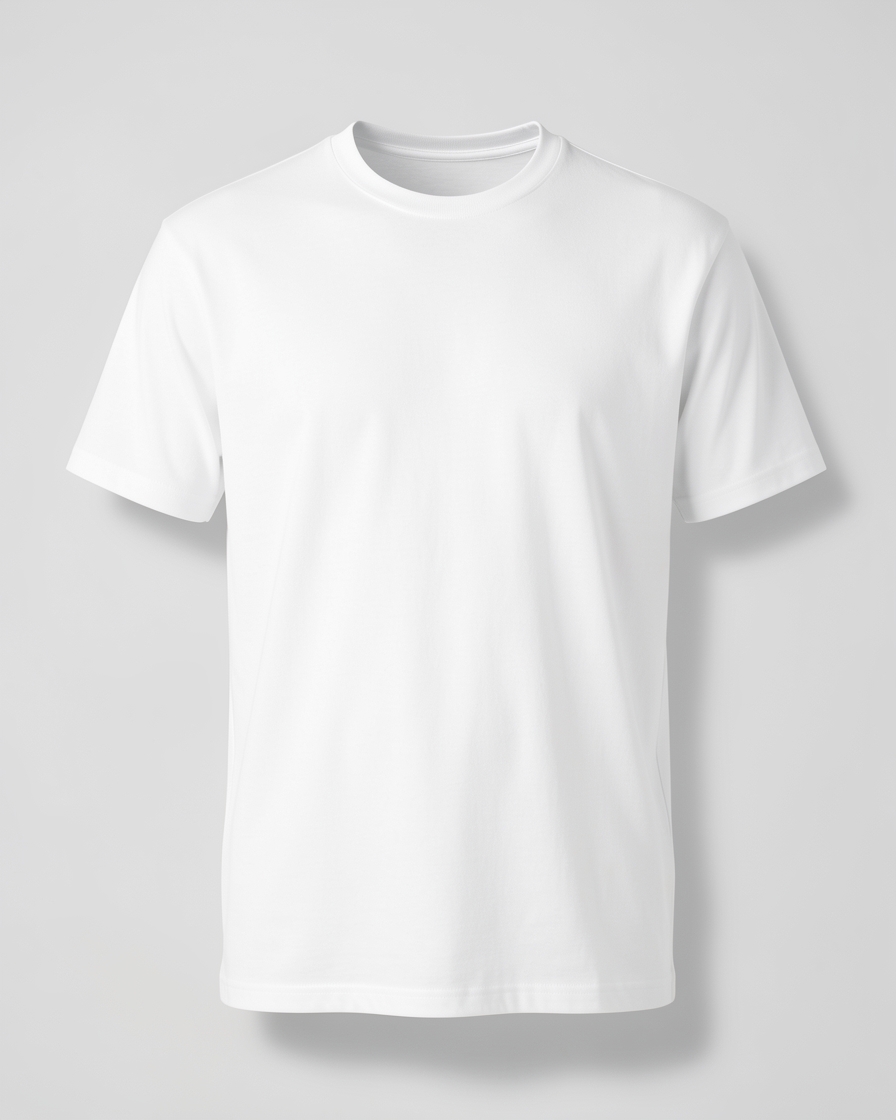
Product image dimensions, image quality, aspect ratios, and theme-dependent display behavior.
Preview
A preview of the guide's comparison. Research baseline, last reviewed below — verify the current official documentation for your category and region before publishing.
Last reviewed: 2026-10-31. Requirements change — the linked official docs are the final word.
| Marketplace | Dimensions / resolution | Formats | Main-image considerations | Sources |
|---|---|---|---|---|
| Amazon | Minimum 500 px on the longest side; 1,000 px or more enables zoom. Maximum 10,000 px. | JPEG preferred; TIFF, PNG, and non-animated GIF accepted. |
| |
| Etsy | At least 2,000 px wide recommended; first listing image at least 635 px. sRGB recommended. | JPG, GIF, PNG, SVG, and HEIC accepted (animated GIF and transparency not supported). |
| |
| eBay | Minimum 500 px on the longest side (baseline); around 1,600 px recommended for quality and zoom. Maximum 12 MB per image (baseline). | JPEG, PNG, GIF, TIFF, BMP, WebP, HEIC, and AVIF in current guidance (baseline — verify). |
Dimensions and format support above are a research baseline — confirm the current photo guidance in Seller Center before publishing. | |
| Shopify | Up to 5,000 × 5,000 px or 25 megapixels; 20 MB maximum (baseline). 2,048 × 2,048 px is a useful general square-image working target. | Multiple common image formats supported — check the current product-media help page. |
Shopify sets technical limits rather than creative rules — the numbers above are baseline guidance, not listing law. | |
| Walmart Marketplace | Exact US specifications vary by category — verify the current US Seller Center documentation before publishing numbers. | Confirm accepted formats in the current US Seller Center documentation. |
Qualified summary only — US Seller Center specs were not independently verified at last review. Verify before publishing exact claims. | |
| Alibaba.com | Published supplier guidance recommends images larger than 640 × 640 px; file size under 5 MB in the referenced guidance (baseline). | JPEG / JPG / PNG in the referenced guidance. |
Baseline from published supplier guidance — confirm current image rules in the supplier portal for your category. | |
| WooCommerce | 800 × 800 px or larger is a useful general recommendation — actual display depends on theme and image settings. | Standard web formats; theme and image settings determine cropping. |
|
The downloadable guide expands each row with detailed explanations, examples, and the photography workflow behind compliant, good-looking images.
Beyond specs
Clean product photographyClear, well-lit images that show the actual product without unnecessary distractions.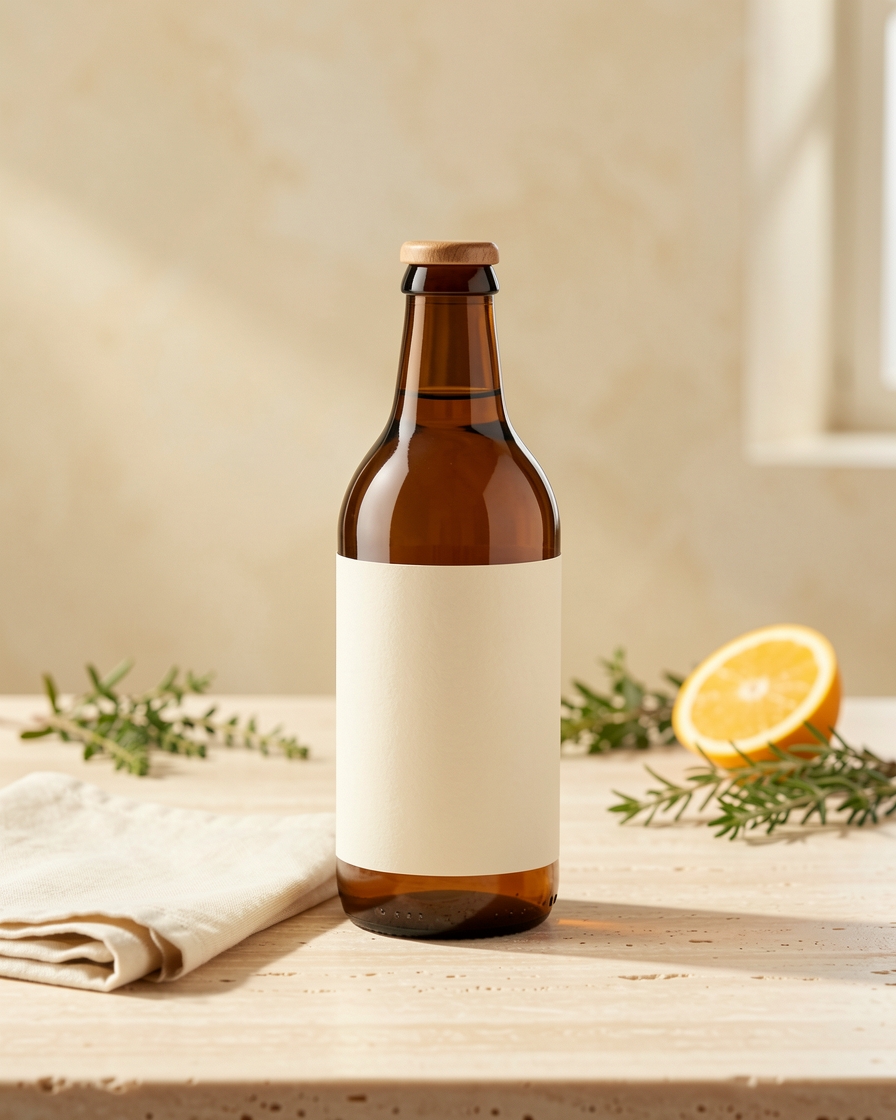 Lifestyle photographyProducts in relevant environments — use, scale, and context shoppers can picture.
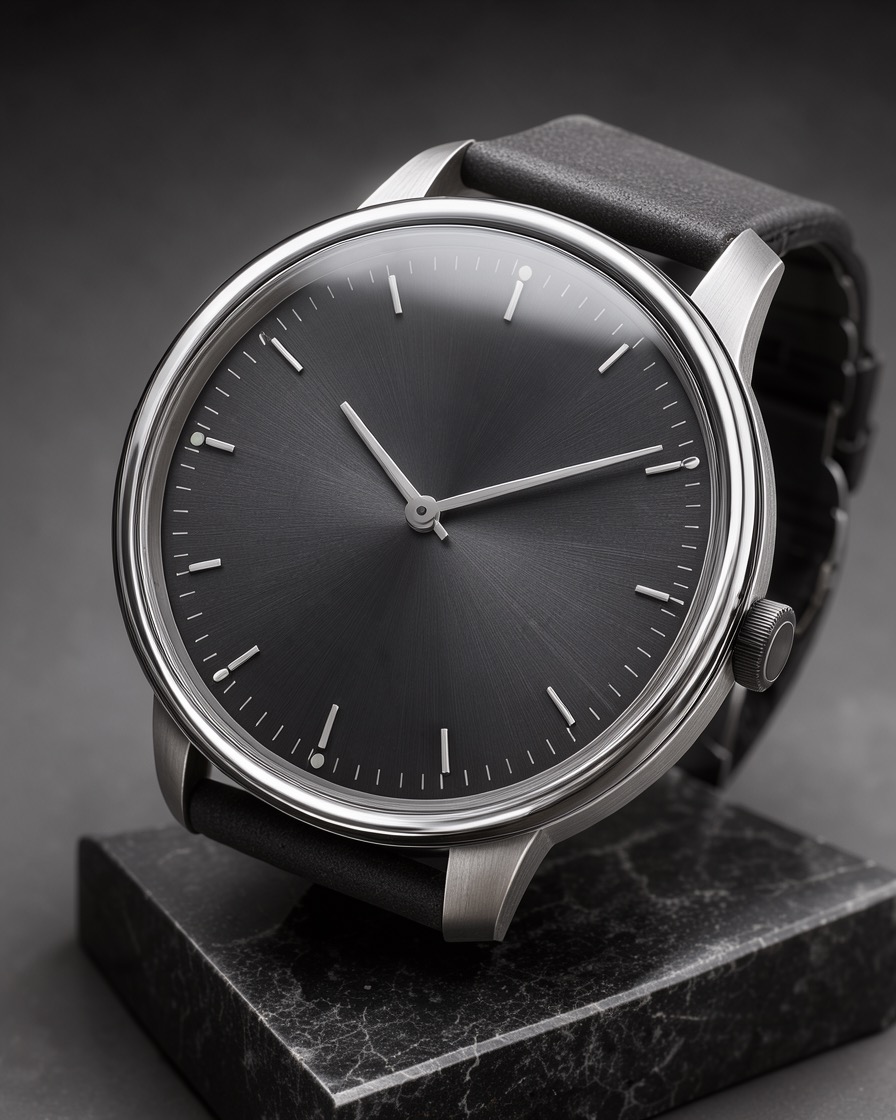 Product detail photographyMaterials, textures, finishes, and features shown accurately, up close.
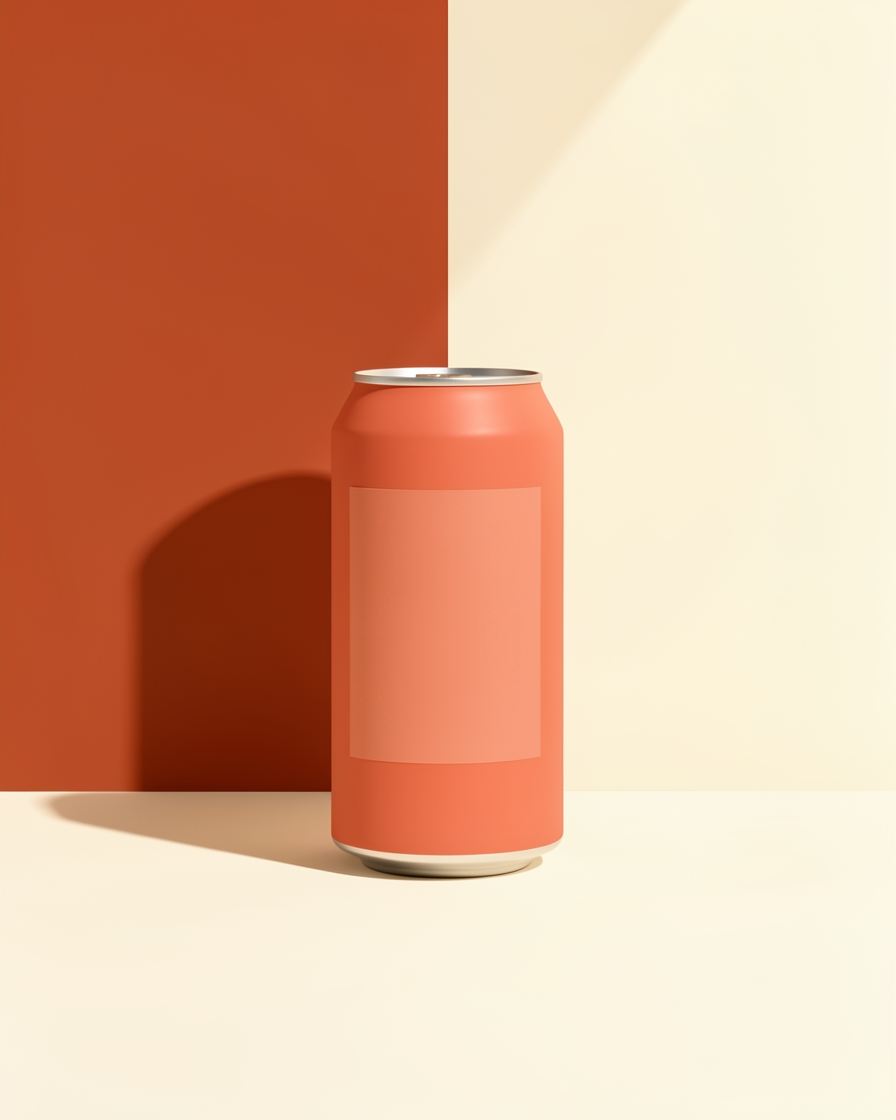 Campaign photographyDistinctive branded visuals for storefronts, promotions, and advertising.
Generated images must accurately represent the actual product — never invent features, accessories, materials, or claims, and never use them in place of required authentic condition photos for used or damaged goods.
Audience
The tool
AI Capture Lab creates product imagery from your reference photos — a practical way to put the guide into action.
Create professional-looking product imagery starting from product reference images you already have.
Explore clean, lifestyle, detail, and campaign visual treatments from the same source photo.
Review each result before publishing, and keep generating until the set is listing-ready.
Your first 3 shoots need no account — no prompting required, ever.
Questions
There is no single size for every marketplace — Amazon, Etsy, eBay, Shopify, and others publish different requirements. A 2,000 × 2,000 px square image is a useful general working target where supported, but always check the destination marketplace's current rules. The comparison below and the free guide break it down per platform.
No. Amazon requires a pure white background for its main product image in many categories. Other marketplaces and storefronts offer more flexibility, and lifestyle or secondary images can often use contextual backgrounds — provided they accurately represent the product.
AI-assisted imagery may be useful for creating product visuals, but images must accurately represent the actual product and comply with the applicable category and image rules. Do not assume every generated image is acceptable as a main listing image — verify current Amazon requirements before publishing.
Etsy has explicit expectations around authentic item representation, including a Listing Image Requirements policy that covers AI-generated imagery. Sellers must follow its rules, including actual-item photograph requirements where applicable — AI-assisted editing must not misrepresent the item or conceal defects.
A main product image shows the item clearly and meets the marketplace's listing requirements. A lifestyle image shows the product in context and helps shoppers understand its use, scale, or real-world appearance.
You may be able to reuse some images, but each marketplace has different specifications and presentation rules. Review image dimensions, backgrounds, composition, and other requirements before using the same image across channels.
Yes. The guide compares published image dimensions, formats, file-size guidance, and key photography considerations for Amazon, Etsy, eBay, Shopify, Walmart Marketplace, Alibaba, and WooCommerce.
Yes. Enter your email address in the form above and we'll send it to you. No purchase required.
AI Capture Lab creates product imagery from your reference photos — clean, lifestyle, detail, and campaign-style visuals across 36 art-directed scenes. Always review final images to ensure they accurately represent the product and meet the requirements of the marketplace where they will be used.
Get the free Ecommerce Marketplace Photography Guide and understand what Amazon, Etsy, eBay, Shopify, Walmart, Alibaba, and other channels expect from your product photography.
Prefer to explore first? See ecommerce product photography